
How Trade Businesses Thrived With Bookkeeping Success Stories, Real Results and Client Testimonials
Updated: Aug 11
A trade business can be profitable on paper and still feel short on cash every Friday. Materials get bought before invoices are paid. Crews move from job to job. Change orders happen in the field. Receipts land in trucks, not tidy folders.
That is why bookkeeping matters so much in the trades. It is not just data entry. Done well, it gives owners a clear view of cash flow, job profit, payroll, taxes, and what each project is really earning.
The stories below are anonymized client examples, with names changed and figures rounded to protect privacy. They show how practical bookkeeping fixes helped trade businesses make better decisions and grow with more control.

Why trade businesses need more than basic bookkeeping
Trade businesses have financial pressure points that many other businesses do not face.
A contractor may need to buy thousands of dollars in materials before getting paid. A service company may have dozens of small jobs each week, each with different labor and parts costs. A remodeler may manage deposits, progress billing, subcontractors, and change orders on the same project.
When bookkeeping falls behind, the owner often loses sight of:
Which jobs are actually profitable
Which customers are slow to pay
How much cash is needed for payroll and taxes
Whether estimates match real job costs
Which expenses are rising quietly over time
Accurate financial management turns those moving parts into useful numbers. It helps owners stop guessing and start planning.
An electrical contractor cut late payments nearly in half
One regional electrical contractor had plenty of work but constant cash stress. The company handled residential service calls and small commercial projects. Revenue was growing, but payment timing was unpredictable.
The problem was not sales. It was the billing process.
Invoices were often created several days after the work was completed. Change orders were tracked in text messages. Some service calls were missing trip charges or materials. The owner only reviewed receivables when cash got tight.
The bookkeeping solution focused on three changes:
Weekly invoice review tied to completed work orders
Clear accounts receivable aging reports
A simple change order tracking process before final billing
Within four months, the company had a much clearer billing rhythm.
Measure | Before bookkeeping cleanup | After four months |
Average time to send invoices | 6 to 8 days | 1 to 2 days |
Average days to collect payment | 46 days | 24 days |
Invoices over 60 days past due | About 18% | Under 8% |
Monthly overdraft fees | Recurring | Eliminated |
“We thought cash flow was just part of being busy. Once we saw the aging report every week, we knew exactly who owed us and what needed attention.” Anonymized electrical contractor client
The biggest win was not only faster payment. The owner started pricing larger jobs with more confidence because cash was no longer a mystery.

A plumbing company found profit hiding in job costs
A family-owned plumbing company had strong customer reviews and a full schedule. Still, the owner felt each month ended with less profit than expected.
The bookkeeping review found the issue. Materials were being entered as general expenses instead of being tied to jobs. Some emergency service parts were never billed back to customers. Fuel, small tools, permits, and subcontractor costs were grouped together, which made job margins hard to read.
The new bookkeeping process gave each job a cleaner financial record.
The team began tracking:
Labor hours by job type
Materials used on each project
Permit and inspection costs
Subcontractor payments
Unbilled parts from truck inventory
After six months, the company could see which work brought the best margins. Water heater replacements were profitable when priced correctly. Small drain calls were profitable only when dispatching stayed tight. Larger repipes needed more careful material allowances.
Measure | Before | After six months |
Reported gross margin | 24% | 33% |
Unbilled materials found monthly | Not tracked | $1,200 to $1,800 |
Monthly tax reserve | Inconsistent | Set aside weekly |
Owner review time | Several hours of sorting | 30 minutes with reports |
“The books finally matched what was happening in the trucks. We stopped losing money on parts we forgot to bill.” Anonymized plumbing business client
This is one of the most common bookkeeping success stories in trade businesses. Better job costing does not just explain the past. It improves the next estimate.
An HVAC company gained control before its busy season
An HVAC service and install company was preparing for summer demand. The phones were already picking up, but the back office was behind. Payroll took too long. Credit card charges were hard to match. Sales tax reports required last-minute cleanup.
The owner worried that a busy season would create more revenue and more confusion.
The bookkeeping plan focused on speed and accuracy before volume increased. Bank feeds were reviewed weekly. Payroll categories were cleaned up. Equipment purchases were separated from repair supplies. Sales tax reporting was checked before filing deadlines.

After one quarter, the company had a tighter monthly close and fewer last-minute surprises.
Measure | Before | After one quarter |
Time to close monthly books | 15 to 18 days | 5 days |
Payroll coding corrections | Frequent | Rare |
Sales tax filing prep | Last-minute | Ready before deadline |
Invoice errors found | Several per month | One or fewer per month |
“We went into the busy season knowing our numbers. That changed how we hired, scheduled, and bought equipment.” Anonymized HVAC client
For seasonal trades, clean books are a planning tool. They help owners decide when to hire, when to buy inventory, and when to hold cash.
What these success stories have in common
Each business had a different trade, but the financial problems followed a pattern. The work was strong. The numbers were late, scattered, or too general to guide decisions.
Professional bookkeeping helped by creating consistent habits:
Invoices went out faster
Receivables were reviewed before cash got tight
Job costs were tied to real work
Tax money was set aside on a schedule
Owners saw reports they could actually use
The goal was not more paperwork. The goal was better control.
For many trade businesses, the first sign of improvement is simple. The owner stops relying on bank balance alone. A bank balance shows what is available today. Accurate books show what is coming, what is owed, what is profitable, and what needs fixing.
The real value of accurate financial management
Bookkeeping will not replace good workmanship, reliable crews, or strong customer service. It supports all of them.
When financial records are accurate, trade owners can price jobs with confidence, pay bills on time, avoid tax panic, and spot problems early. They can see whether growth is healthy or just creating more pressure.
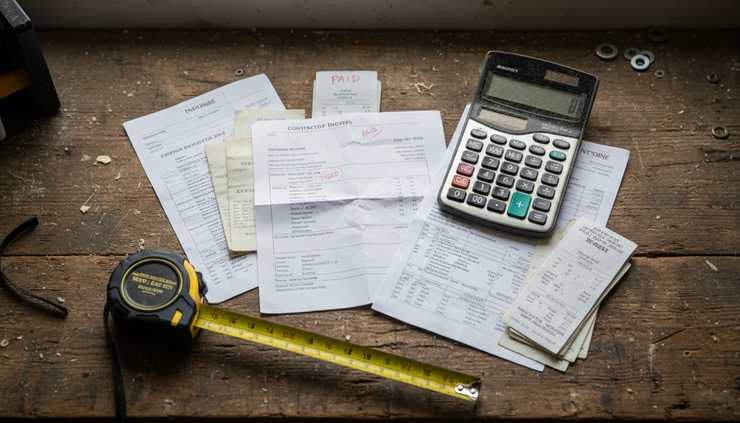
The most successful trade businesses in these examples did not wait until year-end to understand their numbers. They built a regular bookkeeping rhythm and used it to make practical decisions every week.
That is the real lesson. Better books do more than keep a business organized. They help a trade business protect profit, improve cash flow, and grow without losing control.


Comments